Stronger indoor cell connectivity for state and national parks
Bring reliable indoor cell service to visitor centers, lodges, and camp stores using the Wi‑Fi your park already operates.
At no cost and without interruption.
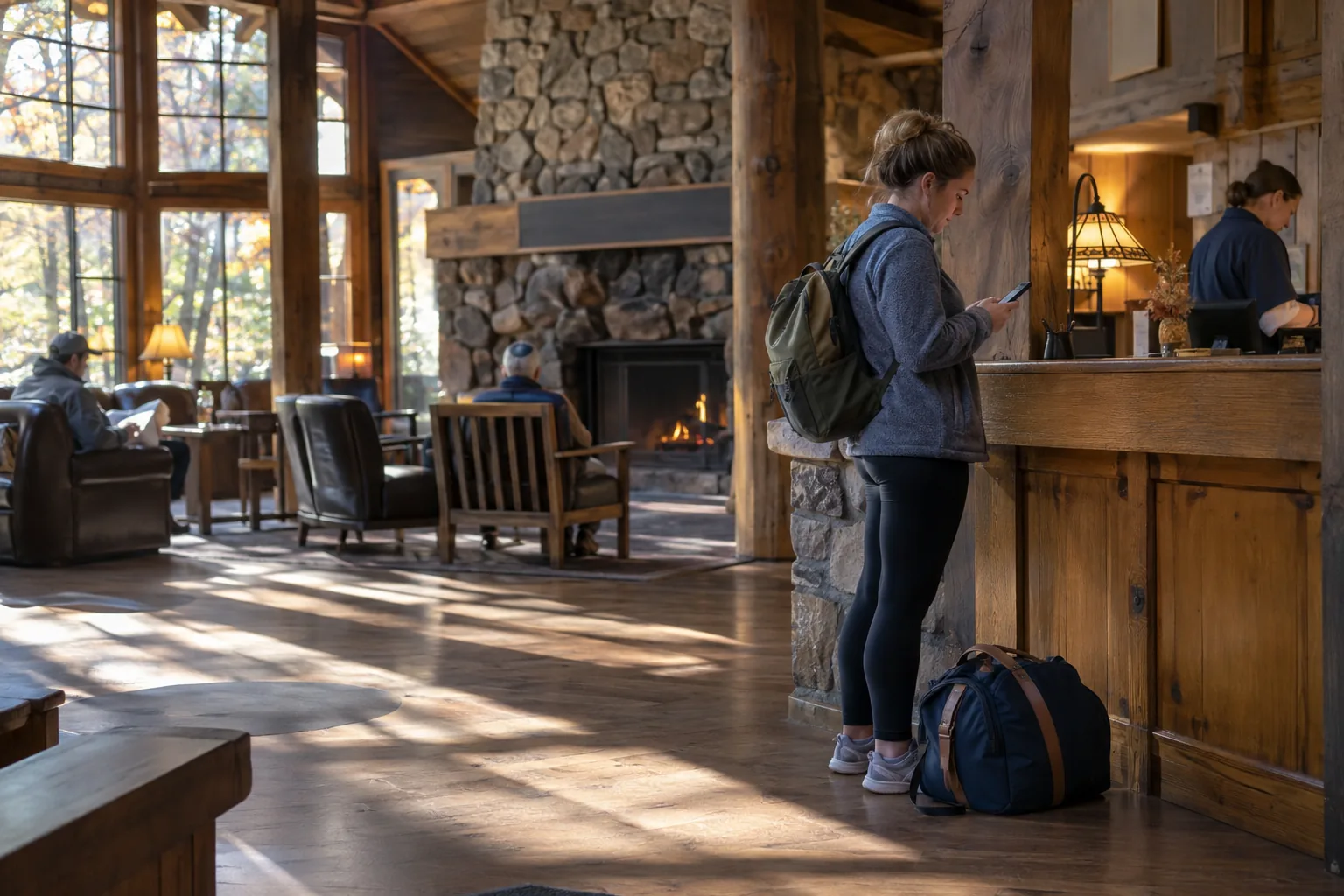
Parks went digital.
Indoor coverage did not follow.
Entry passes, camping reservations, and parking fees now run through a visitor’s phone. Inside many park buildings, that phone has little or no carrier coverage.
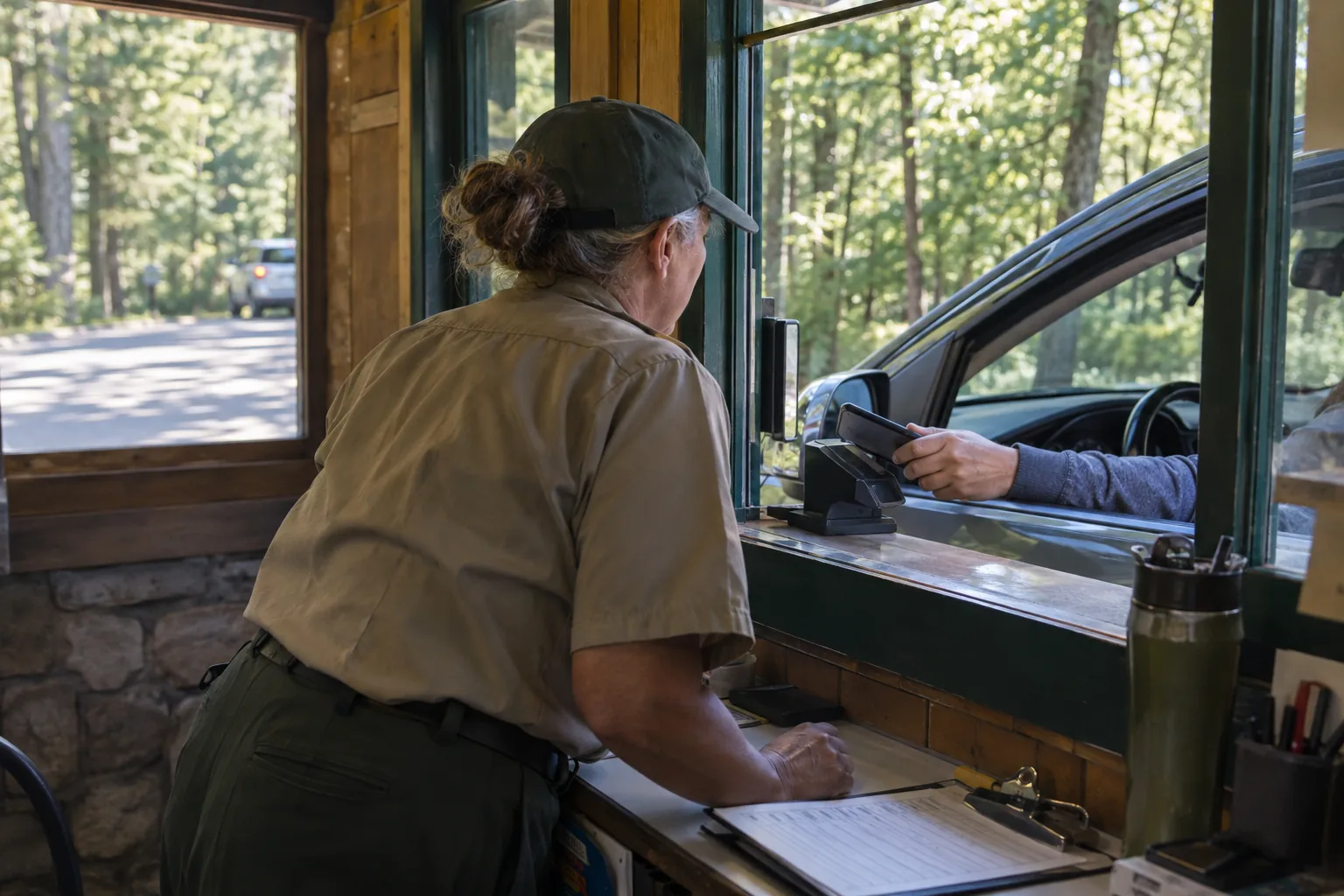
The entrance station
Passes and parking are paid by phone at the gate. Where cell phone signal is weak, the scan stalls and the queue behind it backs up.
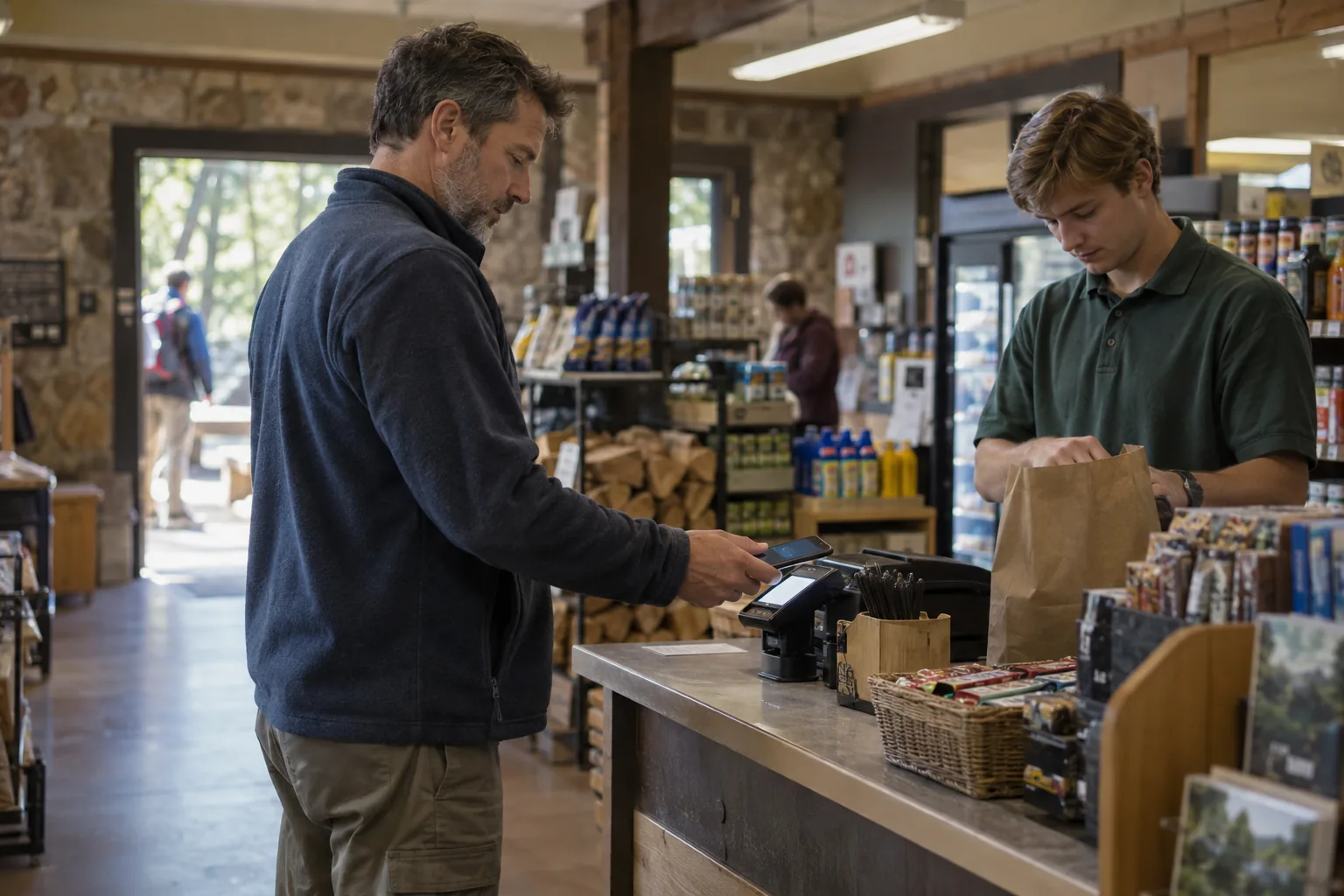
The camp store counter
The highest frequency transaction in the park runs across a payment path that depends on a working cellular connection.
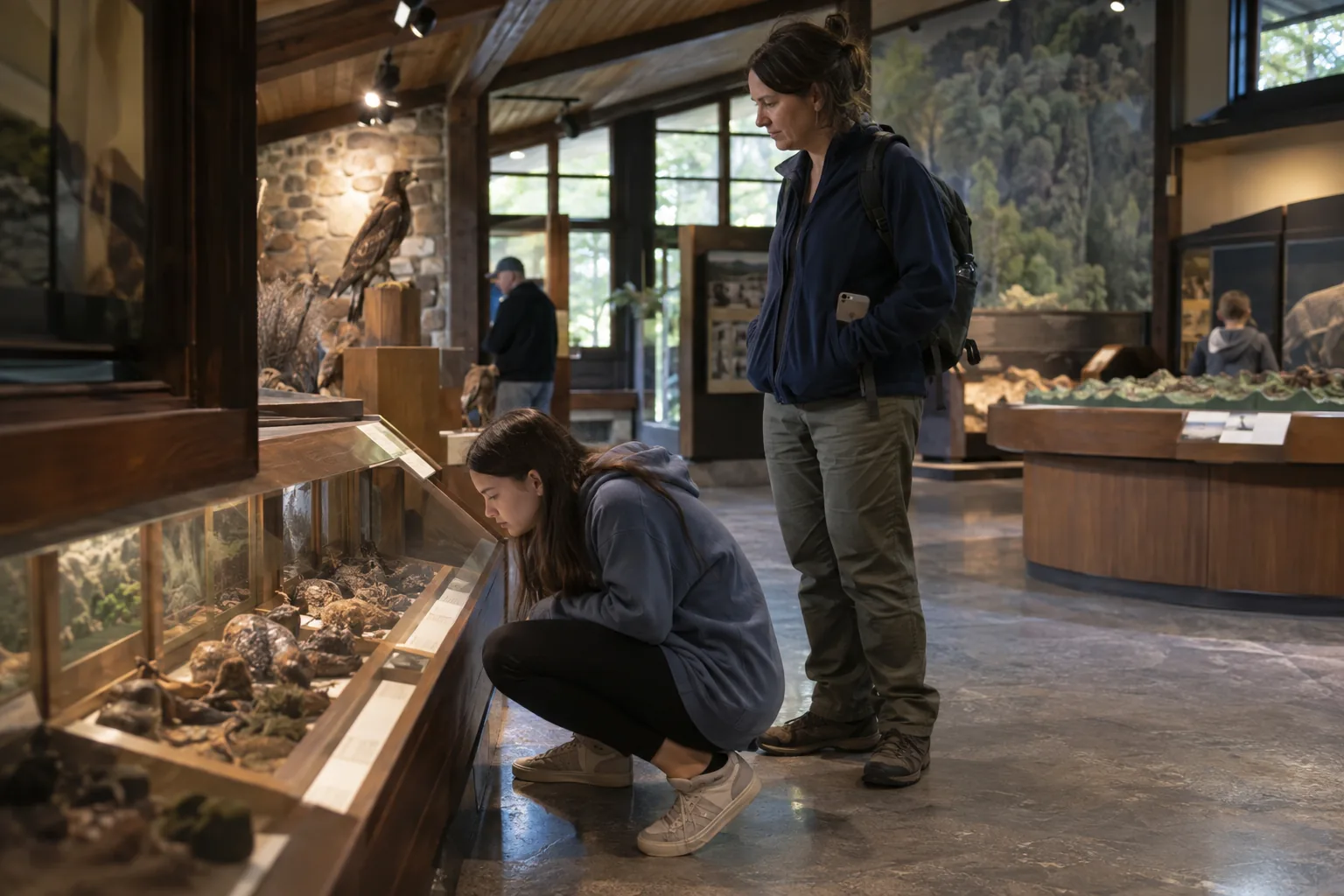
The nature center
Interpretive programming has moved to codes and applications that assume a visitor’s phone can reach the network.
Park agencies are describing this themselves. One state system, publishing guidance on scan based payment in February 2026, tells visitors to join a Wi‑Fi network before scanning the code.1 Another publishes a live list of the park buildings where it has installed Wi‑Fi, down to the coverage area inside each one.2 A third moved parking payment system wide to a mobile application.3 Federal America the Beautiful passes went fully digital on January 1, 2026.4
1 Oregon State Parks, published guidance on scan based payment, February 20, 2026. 2 Washington State Parks, “Wi‑Fi in the Parks,” accessed September 2026. 3 Massachusetts Department of Conservation and Recreation, mobile parking payment rollout, May 13, 2022. 4 U.S. Department of the Interior, digital pass announcement, effective January 1, 2026.
The simplest way to bring reliable indoor connectivity to park buildings.

Reliable indoor cell connectivity
Visitors and staff get reliable cellular service inside visitor centers, lodges, restaurants, camp stores, and registration buildings, where outdoor cell towers struggle to reach indoors.
Learn how it works›
Fully managed, without disruption
LongFi handles the initial assessment, implementation, monitoring, and optimization with no downtime or disruption to park operations.
See the 4-step process›
Payments and passes go through
Entry scans, camp store checkouts, and reservation lookups run on a connection that is there when a visitor reaches the counter.
See the value of connectivity›
Carrier-Grade Security
Visitor mobile traffic is securely isolated from your park’s business network using industry-standard, carrier-certified protocols.
Explore security details›Designed for high-traffic public buildings where reliable connectivity supports payments, reservations, and staff systems, using the unused Wi‑Fi capacity already in place.
Proven at real venues, under pressure
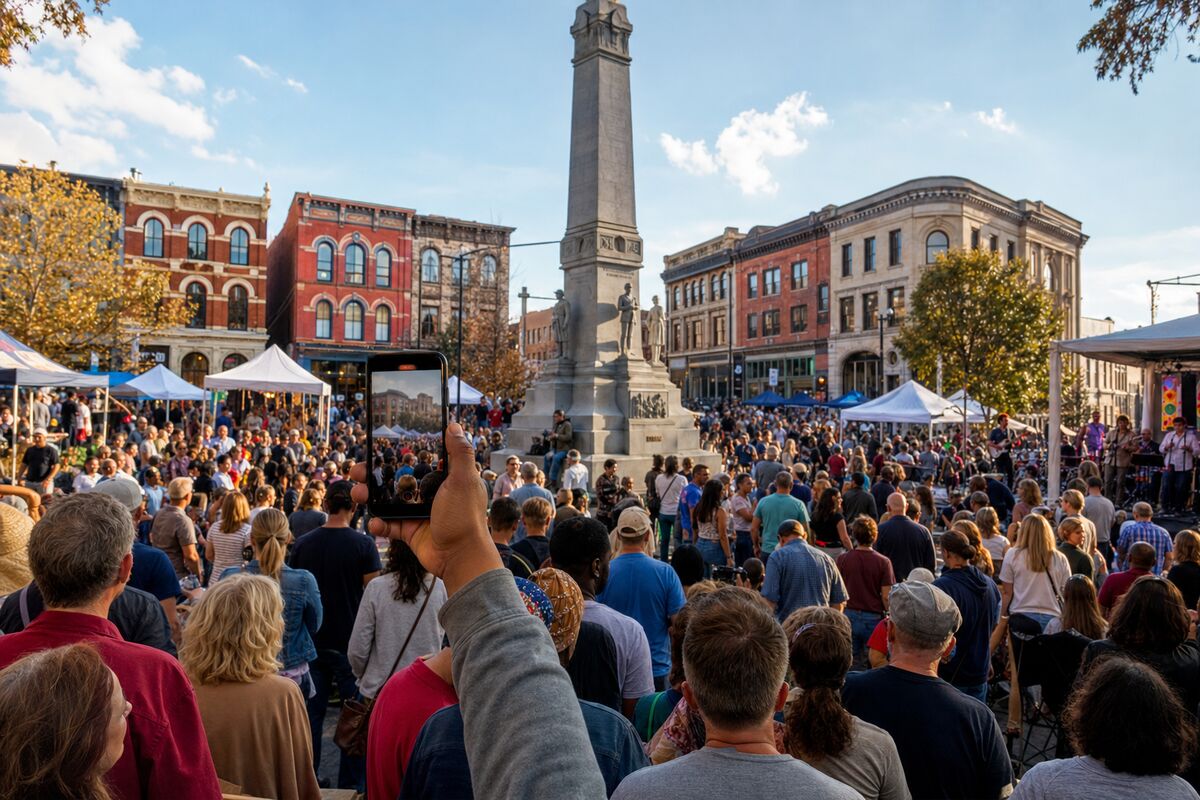
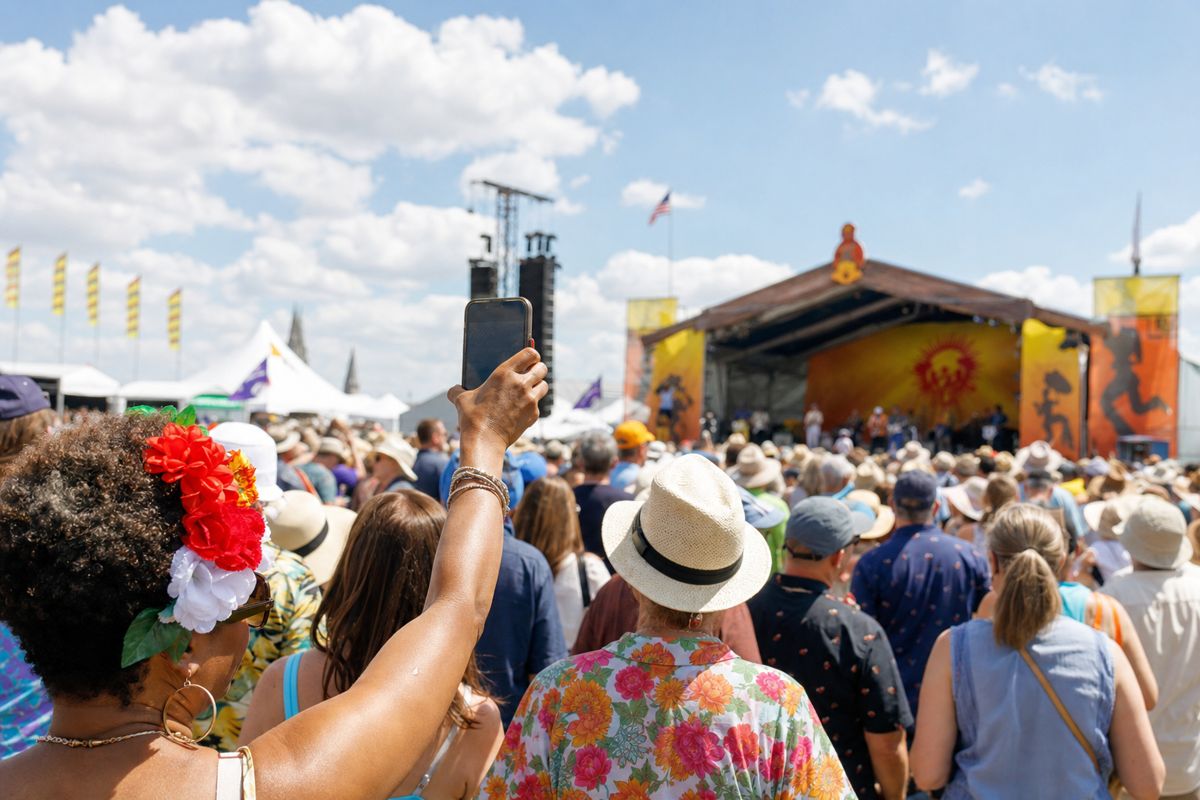
See how LongFi Connect performs in public buildings and where the crowds are biggest.

Where the coverage reaches,
and where it does not
LongFi Connect works indoors. The coverage reaches the park buildings visitors actually use: visitor centers, lodges and inns, restaurants, camp stores, and registration buildings.
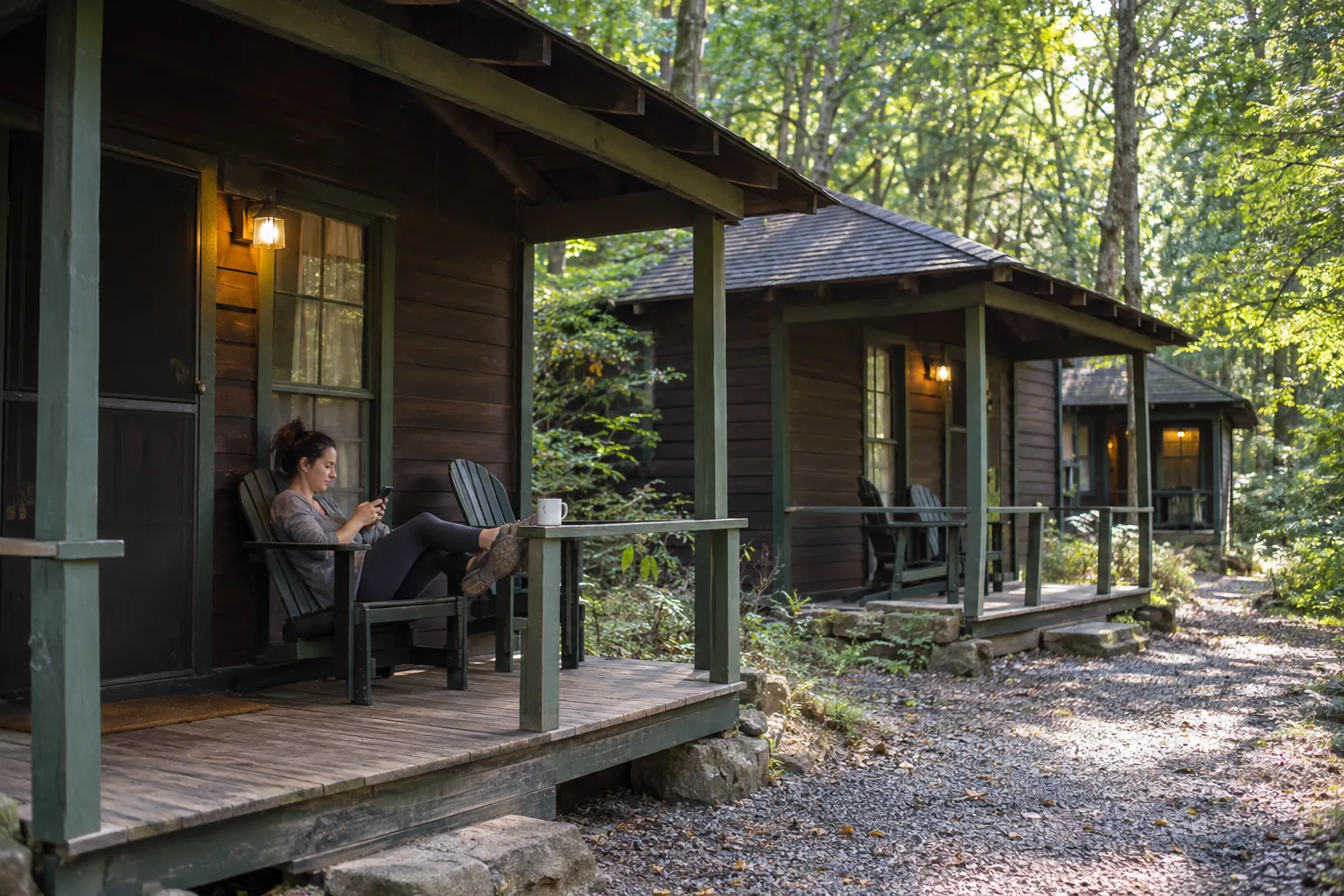
Where a property already runs outdoor rated access points, coverage extends to the serviced areas those access points reach, such as a cabin porch, a lodge terrace, a picnic shelter, or a campground loop beside its registration building.
Coverage does not extend across open acreage, onto trails, or into backcountry. That boundary is confirmed at qualification so expectations match what gets delivered.
Use the Wi‑Fi your park already operates
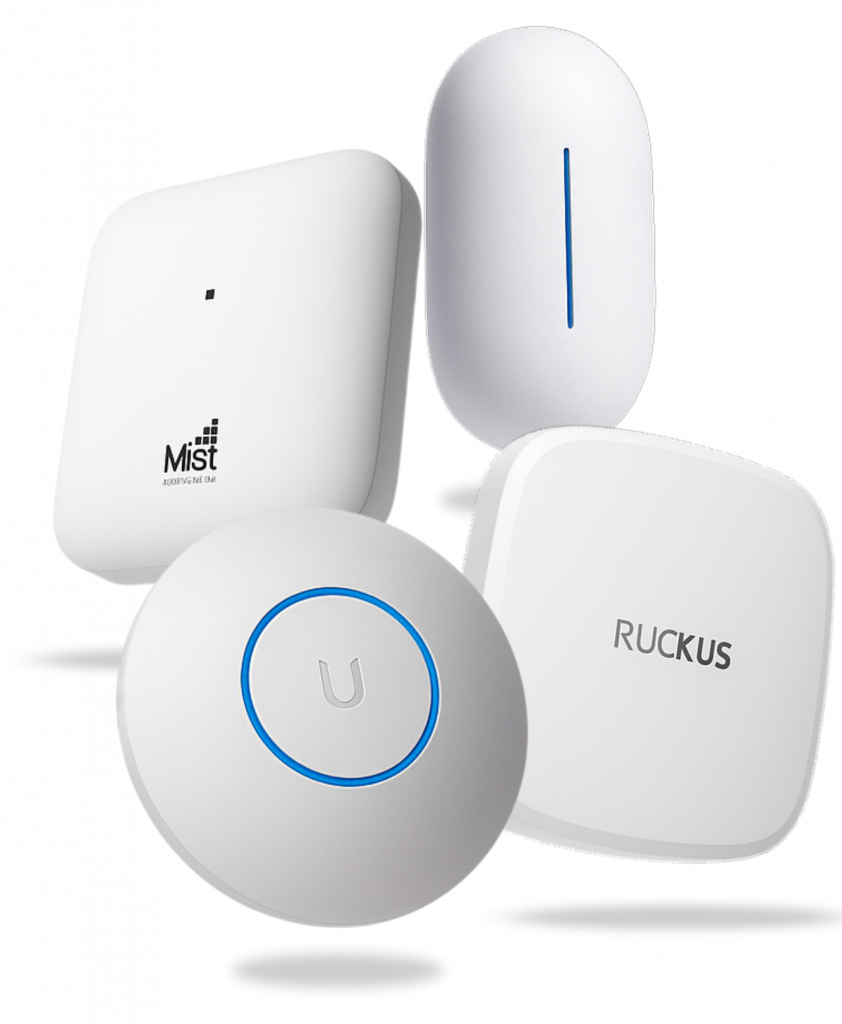
If your park uses systems such as Meraki, Aruba, UniFi, Ruckus, Cisco, Juniper Mist, or other Passpoint-compatible Wi‑Fi, your buildings are likely already compatible.
No hardware additions, and no changes to how your network is used today.
When connectivity works, the whole park works better
Major carriers work with LongFi to serve their subscribers indoors, and LongFi Connect carries that traffic securely on the unused Wi‑Fi capacity you already have.
Visitors complete payments on the first try, staff systems stay reachable, and reservations resolve at the counter rather than at the next stop with coverage.









Keep visitors connected inside the park.
Reliable indoor cell coverage on the Wi‑Fi already in place. A short call or quick venue check shows the fit.
Works with business grade Wi‑Fi such as Cisco, Meraki, Aruba, or comparable, and supports major mobile carriers.